
Maximizing Profits During Busy Shifts in Bars and Restaurants Through Effective Upselling Strategies

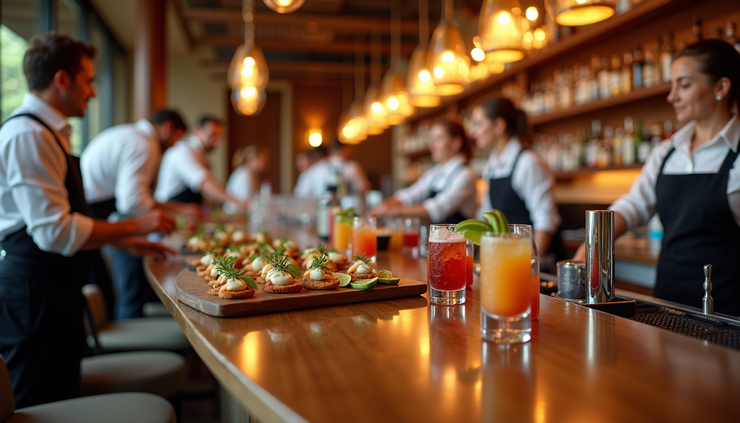
Busy shifts in bars and restaurants, including hotel bars and restaurants, present a unique opportunity to increase revenue without adding extra hours or staff. When the floor is full and orders are flying in, it might seem challenging to focus on anything beyond quick service. Yet, these high-traffic moments are ideal for upselling—encouraging customers to purchase more expensive items, add-ons, or extras that enhance their experience and boost your profits.
This post explores how to use busy shifts effectively for upselling, with practical tips and examples tailored to bars, restaurants, and hotel venues.
Understanding the Dynamics of Busy Shifts
Busy shifts often mean a packed dining room or bar area, a fast pace, and a high volume of orders. Staff are under pressure to serve quickly and keep customers satisfied. This environment can feel overwhelming, but it also means:
More customers are present, increasing the potential for sales.
Guests are often in a social, relaxed mood, open to suggestions.
The turnover rate is higher, so even small upsells can add up quickly.
Recognizing these dynamics helps staff focus on smart upselling that fits the pace without slowing service.
Why Upselling Matters During Busy Times
Upselling during busy shifts can:
Increase the average check size without needing more customers.
Improve customer satisfaction by offering tailored recommendations.
Help clear inventory of high-margin or seasonal items.
Support staff commissions or bonuses, motivating better service.
For example, suggesting a premium cocktail instead of a basic drink or offering a dessert sampler after the main course can add significant value.
Practical Upselling Techniques for Busy Shifts
1. Use Simple, Clear Suggestions
When time is limited, keep upselling quick and straightforward. Use phrases like:
“Would you like to try our signature cocktail today? It’s very popular.”
“Our chef recommends adding a side of garlic fries with that burger.”
“Many guests enjoy pairing this wine with their meal.”
Avoid long explanations. Focus on benefits and popularity.
2. Train Staff to Spot Opportunities
Staff should learn to identify moments for upselling, such as:
When customers ask for recommendations.
When guests order a basic item that has a premium alternative.
When customers seem undecided or open to extras.
For instance, if a guest orders a beer, the bartender might suggest a craft beer flight for a tasting experience.
3. Highlight Limited-Time Offers
Busy shifts are perfect for promoting specials or limited-time items. Use table tents, menu inserts, or verbal mentions to draw attention.
Example: “Tonight, we have a special on our house-made desserts. Would you like to add one to your order?”
4. Bundle Items for Convenience
Create combo offers that combine popular items at a slight discount. This encourages guests to spend more while feeling they get a deal.
Example: A “Happy Hour Combo” with a drink, appetizer, and dessert.
5. Use Visual Cues and Menu Design
Menus should highlight upsell items with icons, photos, or bold text. This helps guests make quick decisions during busy times.
Upselling in Hotel Bars and Restaurants
Hotel venues have a diverse clientele, including travelers who may be unfamiliar with the menu or local specialties. Upselling here can focus on:
Introducing local drinks or dishes as a unique experience.
Offering room service upgrades or late-night snack options.
Suggesting premium spirits or wine pairings for guests dining in.
Hotel staff can also upsell by sharing insider tips on the best menu items or pairing suggestions, enhancing the guest experience.
Managing Upselling Without Slowing Service
Upselling should never compromise speed or customer satisfaction during busy shifts. Here are ways to balance both:
Prioritize quick wins: Focus on easy upsells like drinks or sides that don’t require extra preparation time.
Use technology: Tablets or POS systems can prompt staff with upsell suggestions based on orders.
Empower staff: Train employees to read the room and know when to upsell and when to focus on fast service.
Keep communication clear: Use concise language and gestures to suggest extras without interrupting flow.
Examples of Successful Upselling in Busy Settings
A bar increases revenue by training bartenders to suggest premium mixers or garnishes with every cocktail.
A restaurant upsells desserts by offering a “dessert sampler” plate, which guests order after their main course.
Hotel restaurant staff recommend local wines paired with dishes, increasing wine sales by 20% during peak hours.
Final Thoughts on Using Busy Shifts for Upselling
Busy shifts are not just about managing crowds and orders—they are prime moments to increase profits through thoughtful upselling. By training staff to make quick, clear suggestions, highlighting specials, and using smart menu design, bars and restaurants can boost sales without slowing service.


Comments